
emphasizes that over half of typical household fuel bills are dedicated to heating and hot water, making sustainable solutions increasingly crucial.
The primary roles of a boiler extend beyond mere temperature regulation. They serve multiple crucial functions:Environmentally conscious heating systems offer significant benefits:
- Generate heated water for domestic useReduced carbon footprint
- Provide consistent central heating across multiple roomsLower greenhouse gas emissions
- Maintain comfortable indoor temperatures during cold seasonsCompatibility with renewable energy sources
- Offer energy-efficient heating solutionsPotential eligibility for green technology incentives
To help readers quickly grasp the key roles and features of boilers within home heating systems, the following table summarises each function described in the article:Comfort and Performance Factors
| Boiler Role or FeatureBeyond financial and environmental considerations, the right heating system ensures consistent home comfort. Factors like heat distribution, temperature control, and adaptability to different living spaces play crucial roles in system selection. | DescriptionKey performance indicators include: |
|---|---|
| Generate heated water for domestic useConsistent room temperature | Supplies hot water for taps, showers, and household needsQuick heating capabilities |
| Provide central heating across roomsZonal heating options | Delivers consistent heat via radiators or underfloor systemsCompatibility with smart home technologies |
| Maintain comfortable indoor temperaturesNoise levels during operation | Ensures even, controllable warmth during cold seasonsUltimately, selecting the right heating system requires carefully balancing personal needs, property characteristics, budget constraints, and long-term sustainability goals. Homeowners benefit from comprehensive research and professional consultation to make informed decisions that provide optimal comfort, efficiency, and value. |
| Enable efficient energy useHow Heating Systems Operate: Key Concepts Explained | High-efficiency models reduce energy consumption and utility costsHeating systems transform energy into warmth through complex yet fascinating mechanisms that ensure comfortable indoor environments. |
| Support temperature managementThe Institution of Engineering and Technology | Advanced controls regulate and optimise interior climate explains the fundamental principles underlying thermal energy generation and distribution. |
| Offer consistent heat distributionHeat Generation Principles | Reliable operation prevents temperature fluctuationsThermal energy conversion |
| Reduce carbon emissions represents the core mechanism of heating systems. These technologies transform various energy sources into usable heat through sophisticated processes. The primary methods of heat generation include: | Modern boilers lower household environmental impactCombustion of fossil fuels (gas, oil, coal) |
Heating Mechanism and Energy ConversionElectrical resistance heating
Modern boilers exemplify remarkable energy conversion technologies. When fuel is combusted within the boiler’s chamber, it generates thermal energy that transfers to water or another heat transfer medium. This process involves precise temperature control mechanisms that ensure efficient heat distribution while minimizing energy waste.Heat pump technology
According to Renewable energy conversionEnergy Saving TrustEach method involves transferring energy from one form to another, with efficiency determined by the specific technological approach and energy source utilized., the efficiency of a boiler can significantly impact household energy consumption, with modern condensing boilers achieving efficiency ratings up to 95%, representing a substantial improvement over older heating systems. This high efficiency translates into reduced energy bills and lower carbon emissions, making contemporary boilers not just heating devices but also environmentally conscious technologies.Heat Transfer Mechanisms
Why Understanding Boiler Function is Essential for HomeownersHeating systems employ three primary methods of heat transfer: conduction, convection, and radiation.
Comprehending how your boiler operates is far more than a technical exercise it represents a critical aspect of responsible home management. By developing a nuanced understanding of your heating system, homeowners can make informed decisions about maintenance, efficiency, and potential upgrades that directly impact comfort, energy consumption, and household expenses.Conduction
Financial and Energy Efficiency Implications occurs when heat moves directly through solid materials, such as metal pipes or radiator surfaces.
Boiler knowledge empowers homeowners to recognize potential inefficiencies and take proactive measures. Understanding the intricate mechanics of your heating system allows you to identify warning signs of reduced performance, potential energy waste, and opportunities for optimization. When you comprehend how heat generation and distribution work, you can:Convection
- Implement targeted energy-saving strategies involves heat movement through fluid mediums like air or water, which circulate warmth throughout living spaces.
- Recognize early signs of system deteriorationRadiators distribute heat through water circulation
- Make informed decisions about repair versus replacementUnderfloor heating uses radiant heat transfer
- Anticipate potential maintenance requirementsForced air systems move heated air through ductwork
Safety and Preventative Maintenance ConsiderationsInfrared heaters generate direct radiant warmth
Beyond financial considerations, understanding boiler function is crucial for ensuring household safety. Boilers involve complex interactions between fuel, combustion processes, and heat transfer mechanisms that, if not properly maintained, can pose significant risks. Control and Distribution SystemsGas Safe RegisterModern heating technologies integrate sophisticated control mechanisms to optimize energy usage and maintain consistent temperatures. Smart thermostats and zonal heating controls allow precise management of thermal environments. emphasizes that regular professional inspections and a basic understanding of your system can prevent potential hazards such as carbon monoxide leaks, system failures, and unexpected breakdowns.Temperature sensors monitor ambient conditions
Electric storage heaters: ModerTechnical Components and Energy Transformationate installation costs
Each boiler component plays a critical role in energy conversion and heat distribution. The combustion chamber generates high temperatures through controlled fuel burning, while the heat exchanger efficiently transfers thermal energy to the water. Circulating pumps ensure consistent fluid movement, maintaining a steady heat supply throughout the heating system.Homeowners must balance immediate financial requirements with long-term energy efficiency potential. While some systems demand higher upfront expenditure, they can offer substantial savings over their operational lifecycle.
According to Operational Efficiency and Running CostsEnergy Saving TrustThe annual running costs of heating systems differ dramatically based on energy source, technological efficiency, and household requirements. , modern boilers achieve remarkable energy efficiency by optimizing these component interactions. The precision engineering allows for minimal heat loss and maximum thermal output, representing a significant advancement in home heating technologies.Energy efficiency ratings
For homeowners seeking play a crucial role in determining ongoing expenses:comprehensive insights into heating system upgradesGas boilers: Typically most cost-effective for larger homes, understanding these technical mechanisms provides valuable context for making informed decisions about home heating infrastructure.Heat pumps: Higher efficiency, lower carbon emissions
The Importance of Boiler Efficiency and MaintenanceElectric heating: Generally most expensive to operate
Boiler efficiency and regular maintenance are critical factors that directly influence a home’s energy consumption, operational costs, and overall heating system performance. Understanding and implementing strategic maintenance practices can significantly extend equipment lifespan, reduce energy expenditure, and ensure consistent, reliable heating throughout your property.Biomass systems: Competitive costs with renewable fuel sources
Economic and Performance ImplicationsFactors such as home insulation, system age, and maintenance practices significantly influence overall operational efficiency and associated expenses.
The relationship between maintenance and boiler efficiency is profound and multifaceted. A well-maintained boiler operates at peak performance, consuming less energy while delivering optimal heat distribution. Neglecting routine maintenance can lead to gradual performance degradation, increased energy consumption, and potentially expensive repair or replacement scenarios.Environmental and Long-Term Financial Considerations
Key economic considerations include:Modern heating choices extend beyond immediate financial implications. Sustainable technologies increasingly offer economic incentives through government grants, lower carbon taxes, and reduced environmental impact.
- Potential energy cost savings of up to 15% through regular maintenanceRenewable energy compatibility
- Reduced risk of unexpected system failuresPotential government incentives
- Extended equipment operational lifespanCarbon emission reduction
- Improved overall heating system reliabilityFuture-proofing against energy price fluctuations
Technical Maintenance and Efficiency StrategiesPotential property value enhancement
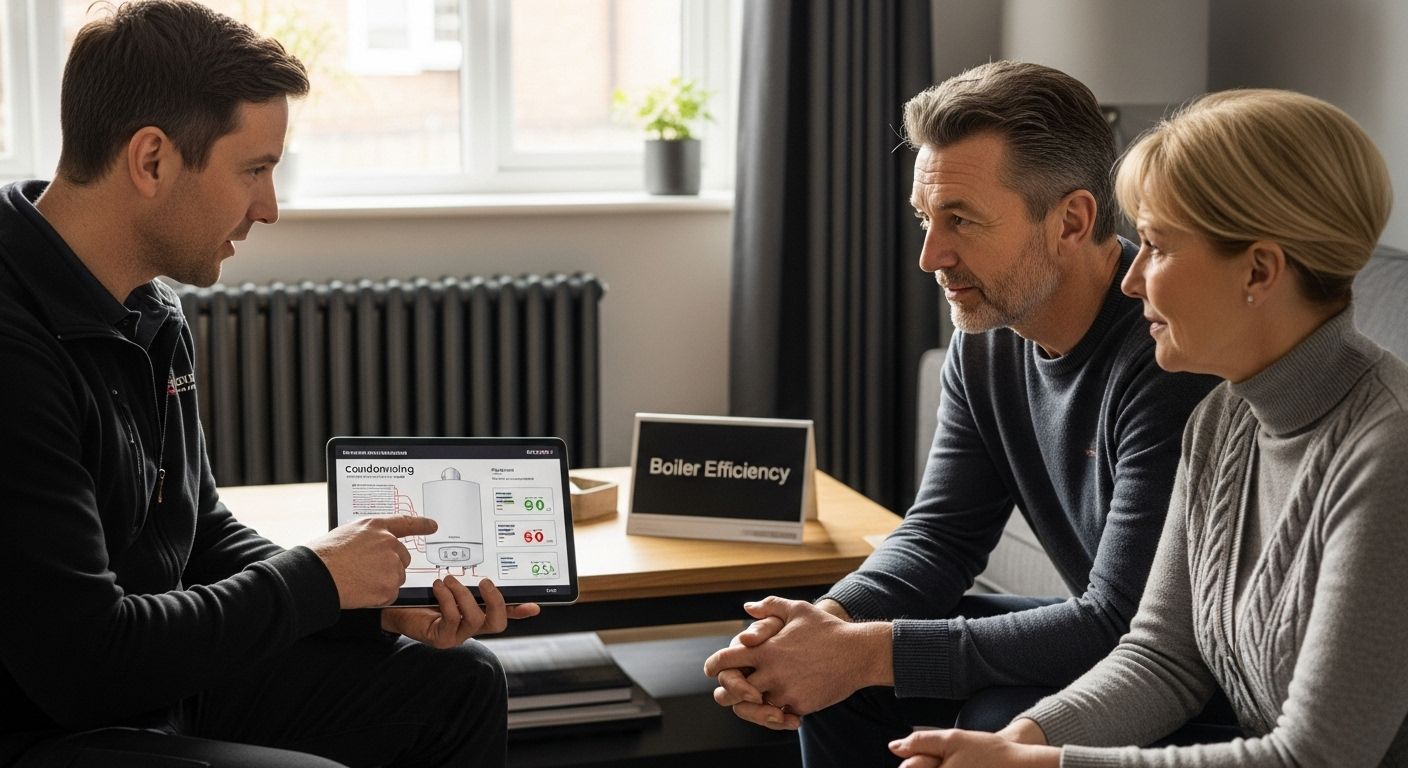
Effective boiler maintenance involves a comprehensive approach that addresses multiple technical aspects. This includes regular cleaning of heat exchangers, checking and replacing worn components, ensuring proper combustion settings, and verifying system pressure and temperature calibrations. Professional inspections can identify potential issues before they escalate into major problems.Selecting a heating system requires a holistic approach, considering not just current costs but anticipated technological developments, environmental regulations, and long-term household energy strategies. Professional consultation can help homeowners navigate these complex considerations and make informed decisions tailored to their specific requirements.
According to the The Role of Renewable Energy in Heating SolutionsNational Institute of Standards and TechnologyRenewable energy technologies are transforming the heating landscape, offering sustainable alternatives to traditional fossil fuel-based systems. , systematic maintenance is crucial for maintaining high system efficiency and preventing performance deterioration. For homeowners seeking UK Government initiativesexpert guidance on comprehensive boiler care demonstrate a growing commitment to supporting low-carbon heating technologies., professional assessment can provide tailored recommendations that maximize heating system performance and longevity.Renewable Heating Technologies
Renewable Energy Options in Boiler TechnologyRenewable energy sources
Renewable energy technologies are transforming traditional boiler systems, offering innovative solutions that reduce carbon emissions, enhance energy efficiency, and provide sustainable heating alternatives for modern homes and businesses. These emerging technologies represent a significant shift towards environmentally conscious heating infrastructure. provide innovative solutions for residential and commercial heating needs. These technologies harness natural energy processes to generate warmth with minimal environmental impact:
Emerging Renewable Heating TechnologiesSolar thermal systems
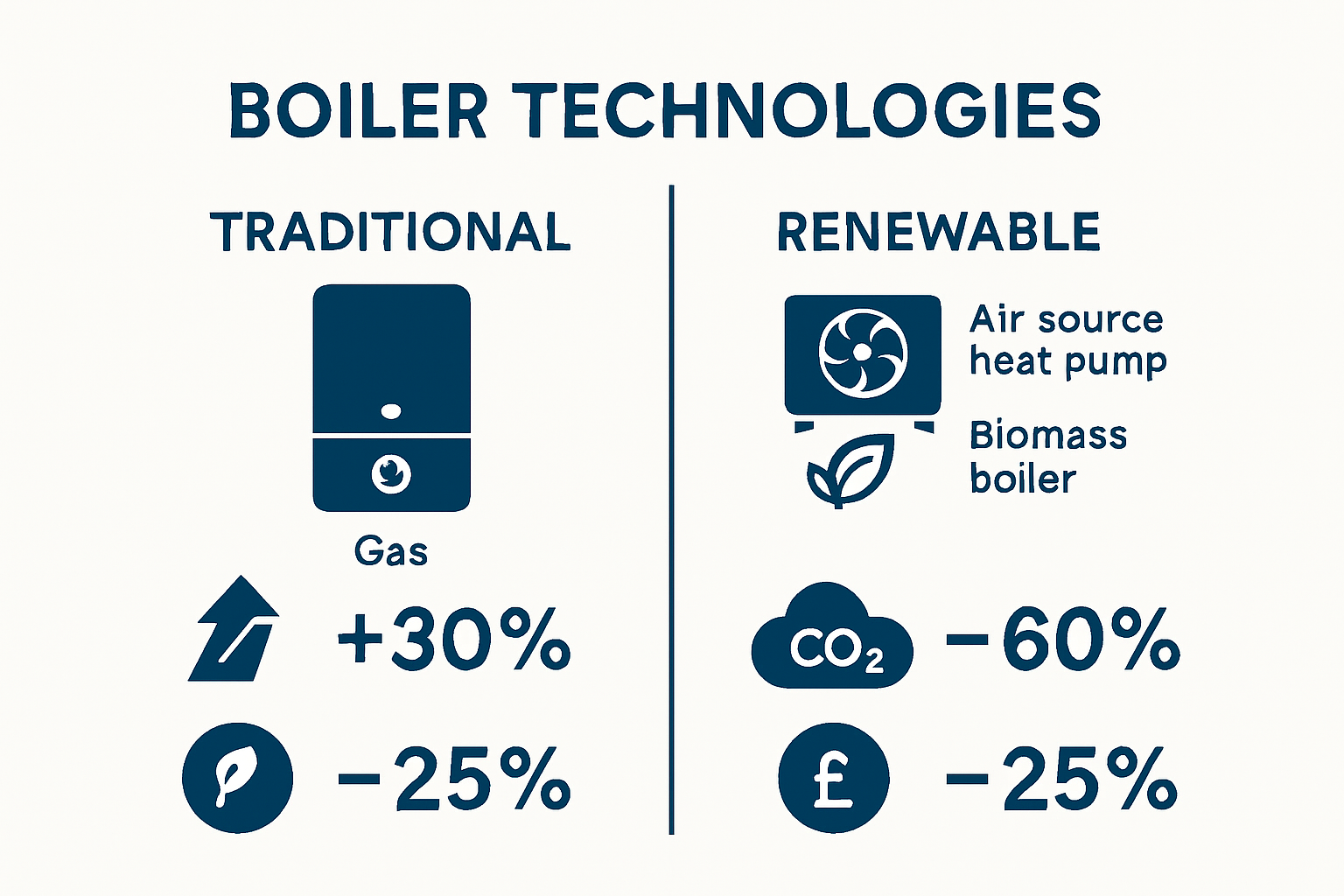
Modern renewable boiler technologies integrate advanced energy sources that minimise environmental impact while maintaining high performance standards. These systems leverage alternative energy generation methods to produce heat, moving beyond conventional fossil fuel dependencies. The most prominent renewable technologies currently revolutionising boiler design include:Ground source heat pumps
- Air source heat pumps extracting thermal energy from ambient airAir source heat pumps
- Ground source heat pumps utilising geothermal underground temperaturesBiomass heating systems
- Solar thermal systems capturing solar radiation for water heatingGeothermal energy technologies
- Biomass boilers using organic materials as sustainable fuel sourcesEach technology captures energy from natural sources, converting ambient heat or solar radiation into usable thermal energy with significantly reduced carbon emissions compared to conventional heating methods.
- Hybrid systems combining multiple renewable energy technologiesEnvironmental and Economic Benefits
Performance and Environmental BenefitsRenewable heating solutions offer substantial advantages beyond traditional energy generation.